
Google open-sources SpeciesNet for wildlife monitoring
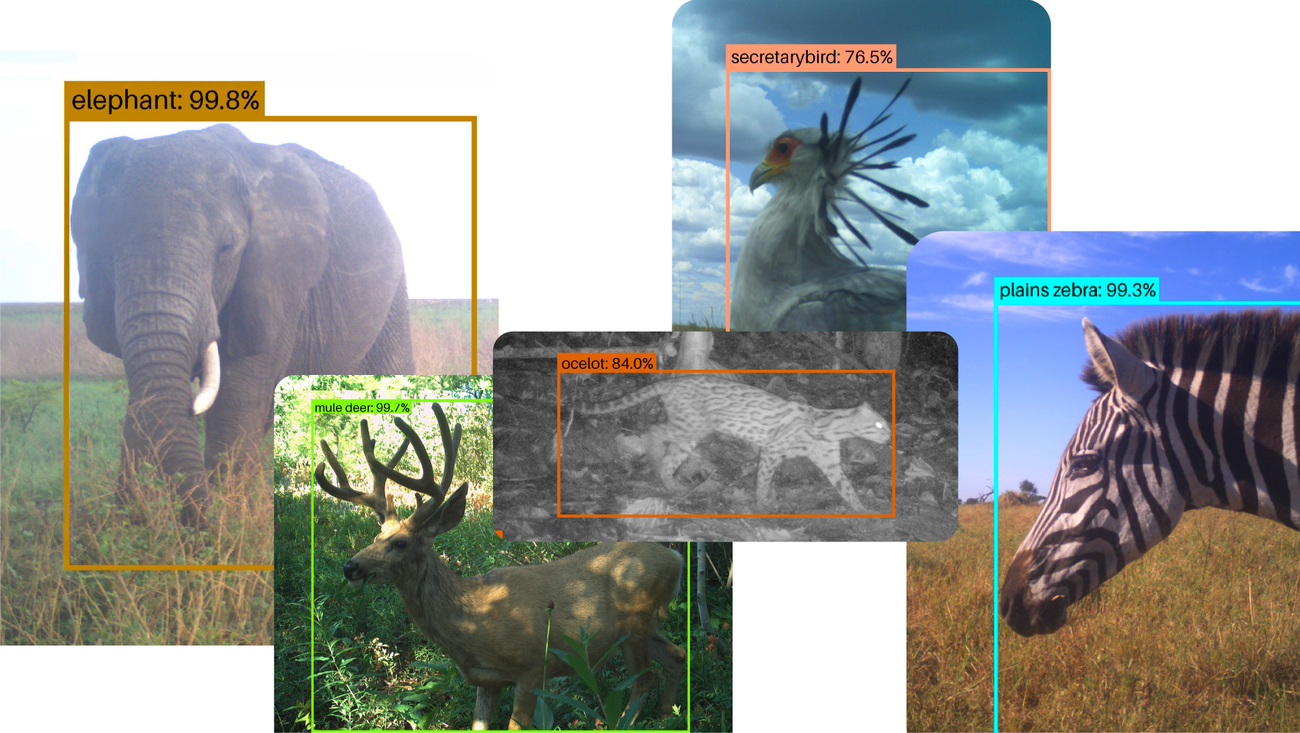
Google published SpeciesNet as an open-source AI model for camera-trap image analysis, giving conservation teams a more practical way to process wildlife data at scale.
Why this matters
Google published SpeciesNet as an open-source AI model for camera-trap image analysis, giving conservation teams a more practical way to process wildlife data at scale.
Google’s March 6 announcement on SpeciesNet is one of the better examples of AI shipping into a real operational workflow instead of another abstract model demo.
What happened
Google described SpeciesNet as an open-source AI model designed to help process wildlife camera-trap images.
The practical value is straightforward: conservation teams collect huge amounts of image data, but reviewing and labeling it is slow. A model built for this task can reduce manual sorting work and make large-scale monitoring more usable.
Why it matters
For Best AI News, this is important for two reasons.
First, it shows that some of the strongest AI stories are not always general-purpose chatbot releases. Domain-specific models with a clear workflow can create more durable value.
Second, it reinforces a pattern we should keep tracking: open-source releases tied to real-world operational use cases.
That tends to be a stronger signal than vague AI positioning because it comes with a specific user, a specific data type, and a specific workflow problem.
Best AI News take
SpeciesNet is not a mass-market consumer launch, but it is exactly the kind of release that matters in a serious AI brief.
It shows how AI keeps moving deeper into expert workflows where data volume, labeling cost, and speed of review are real constraints.
Source
Keep reading
Related briefs
Mar 9, 2026
Today’s AI research watch: CoT control, deep research factuality, and agent planning
The March 9, 2026 arXiv batch puts three themes in focus: whether reasoning models can control what they reveal, how to verify deep research reports, and how LLM agents plan with symbolic tools.
Mar 9, 2026
Gemini 3.1 Flash-Lite pushes Google’s low-cost model lane forward
Google says Gemini 3.1 Flash-Lite is the fastest and most cost-efficient model in its Gemini 3 series so far, a signal that price-performance competition is still accelerating.
Mar 9, 2026
AWS shows how to connect Strands Agents to SageMaker-hosted models
A new AWS post walks through building a custom model provider for Strands Agents when the underlying LLM runs on SageMaker AI endpoints, highlighting the market’s push toward model portability inside agent stacks.